- Servicing the Triangle Area: Raleigh, Durham, Chapel Hill, Wake Forest, Cary, and Hillsborough NC

Kidney Disease in Cats & Dogs
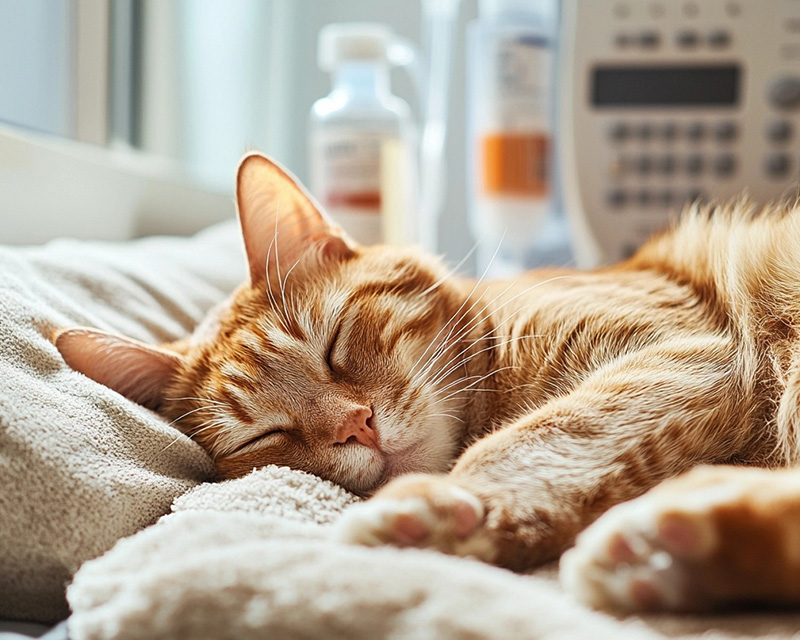
Kidney disease happens when the kidneys fail to filter the blood properly or fully. It is one of the most common diseases of older cats and is two to three times as frequent as kidney disease in dogs.
There are many possible causes of kidney disease including dental disease, chronic sources of inflammation, and some infectious diseases. Most commonly, we are not sure of the exact underlying cause of a particular patient's kidney disease. Bloodwork, a urinalysis and urine culture, blood pressure, and abdominal ultrasound are recommended in any case of newly diagnosed kidney disease.
When we monitor "kidney values," we are referring to Blood Urea Nitrogen (BUN), SDMA, and Creatinine. These are all values in the blood that increase with kidney disease. Normal range for BUN is 5–36, SDMA is <15.0, and Creatinine should be 0.6–1.6. BUN and creatinine become elevated when >75% of the kidney is not functioning, so by the time we see these values elevated on bloodwork, there is already significant disease present. This is the case in all species, including humans.
The kidney has many functions besides filtering blood to create urine. The kidney controls electrolyte balance and is involved in the process of making red blood cells. Depending on which part of the kidneys are diseased, we can see abnormalities in electrolytes, Vitamin D, and sometimes anemia. Kidney disease can also be related to high blood pressure. For these reasons, we recommend regular monitoring of electrolytes, blood pressure, kidney values, and red blood cells.
What to do when your pet is diagnosed
It is important to know that chronic kidney disease is progressive and incurable. What we hope to achieve through treatment is a good quality of life for as long as possible. We recommend the following diagnostics for any newly diagnosed pet: blood chemistry, red and white blood cell count, urinalysis (to look at urine concentration or signs of infection), thyroid level (in cats), blood pressure, and abdominal ultrasound to evaluate the structure of the kidneys.
After initial diagnostics and initiation of therapy, we recommend rechecking kidney values and blood pressure every 1–3 months to assess progress and check for electrolyte or red blood cell abnormalities. We treat electrolyte disturbances, hypertension, or anemia if identified.
Common Therapies for Kidney Disease
Kidney Diet: There are many kidney diets available. These diets have been shown through clinical trials to extend the life of patients with kidney disease. Royal Canin, Purina, and Hills all have multiple dry and wet food flavors. We recommend trying several to see which your pet likes best. You will need a prescription for these diets from your pet's veterinarian.
Blood Pressure Monitoring/Medication: A blood pressure medication may be considered depending on results. If this medication is appropriate for your pet, they will likely remain on it for life.
Water Consumption: It is very important to encourage hydration, since diseased kidneys cannot save water the same way a normal kidney would. You may have noticed your pet having increased thirst and urination; this is a very common symptom. Ways to encourage consumption include providing fresh water daily, using a water fountain, or feeding wet or moistened food. Sometimes other fluid therapy (IV or subcutaneous fluids) is needed as the disease progresses.
If your pet is diagnosed with kidney disease, our goals are to keep your pet happy and feeling as good as possible for as long as possible. Many cats can live with well-managed kidney disease and a good quality of life for years. Treatment will be tailored to their individual needs and response to therapy.
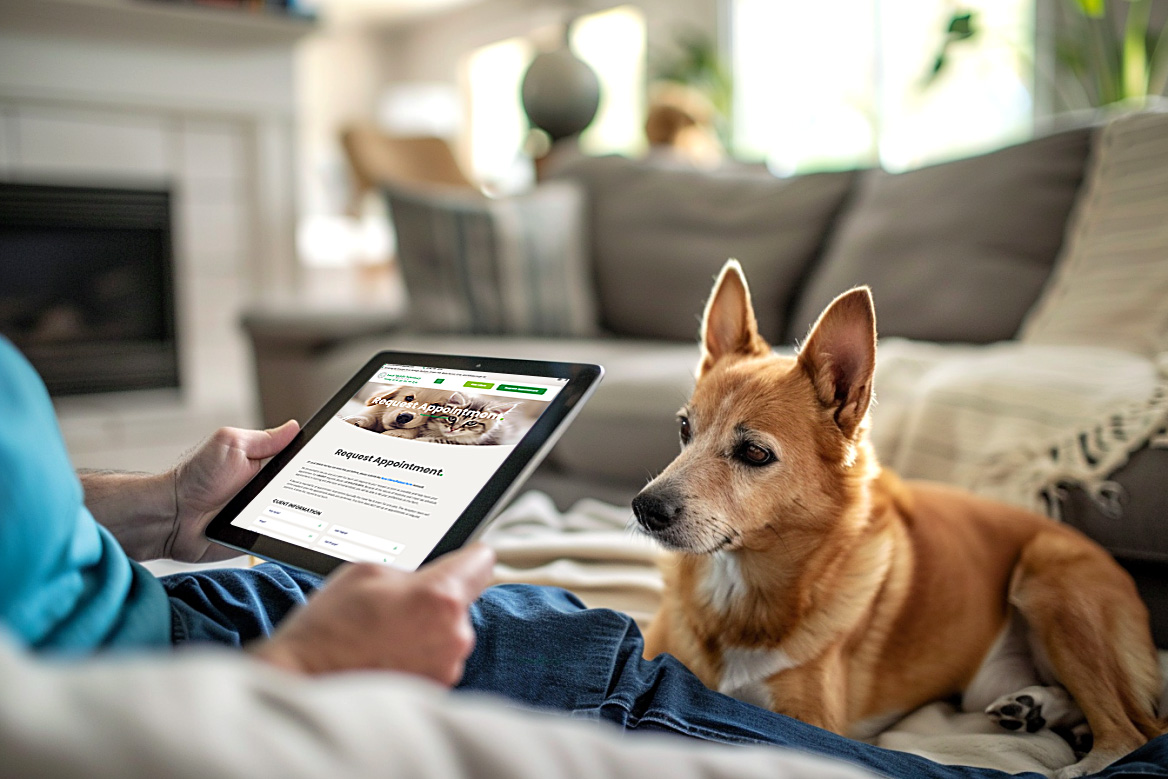 How do I get my pet scheduled?
If your pet is an existing patient of Local Mobile Vet, simply fill out the appointment request form, and we will reach out to get an appointment scheduled.
If we have never seen your pet before, fill out the New Client Form and we will reach out to help you determine if we are the right fit for you and your pet.